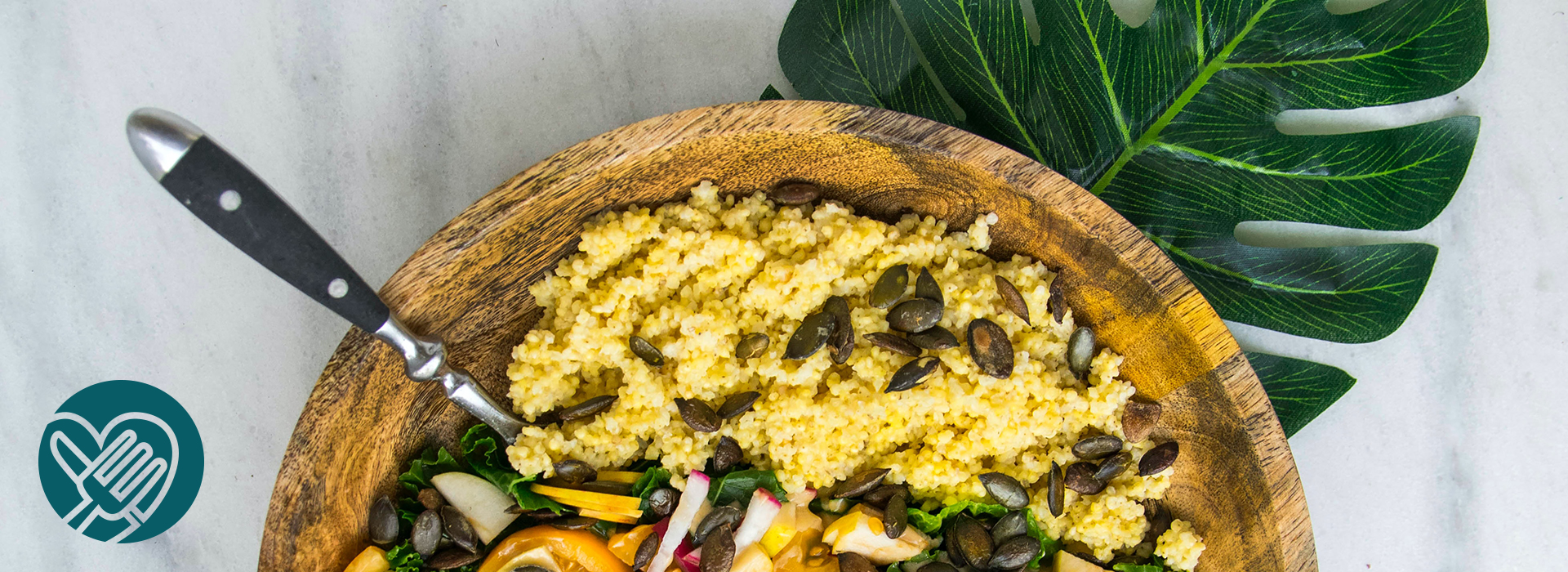

Women’s nutritional needs evolve across life stages, requiring tailored strategies to support energy, health, and longevity. From managing daily demands to sustaining an active lifestyle and navigating aging, food choices play a pivotal role in optimising physical and mental well-being. We will take a look at science-backed nutrition strategies that empower women at every phase of life.
Daily Nutrition: Building a Balanced Foundation
A nutrient-dense diet forms the cornerstone of women’s health, addressing hormonal balance, energy needs, and disease prevention.
Key Nutrients for Everyday Wellness:
- Iron: Critical for combating fatigue, especially during menstruation. Sources include lean meats, lentils, spinach, and fortified cereals. Women aged 19–50 need 18 mg daily.
- B Vitamins: B6 (1.3 mg/day) and B12 (2.4 mcg/day) support energy metabolism and cognitive function. Find them in eggs, salmon, and leafy greens.
- Fibre: Supports gut health and stabilises blood sugar. Aim for 25–30g daily via whole grains, berries, and legumes.
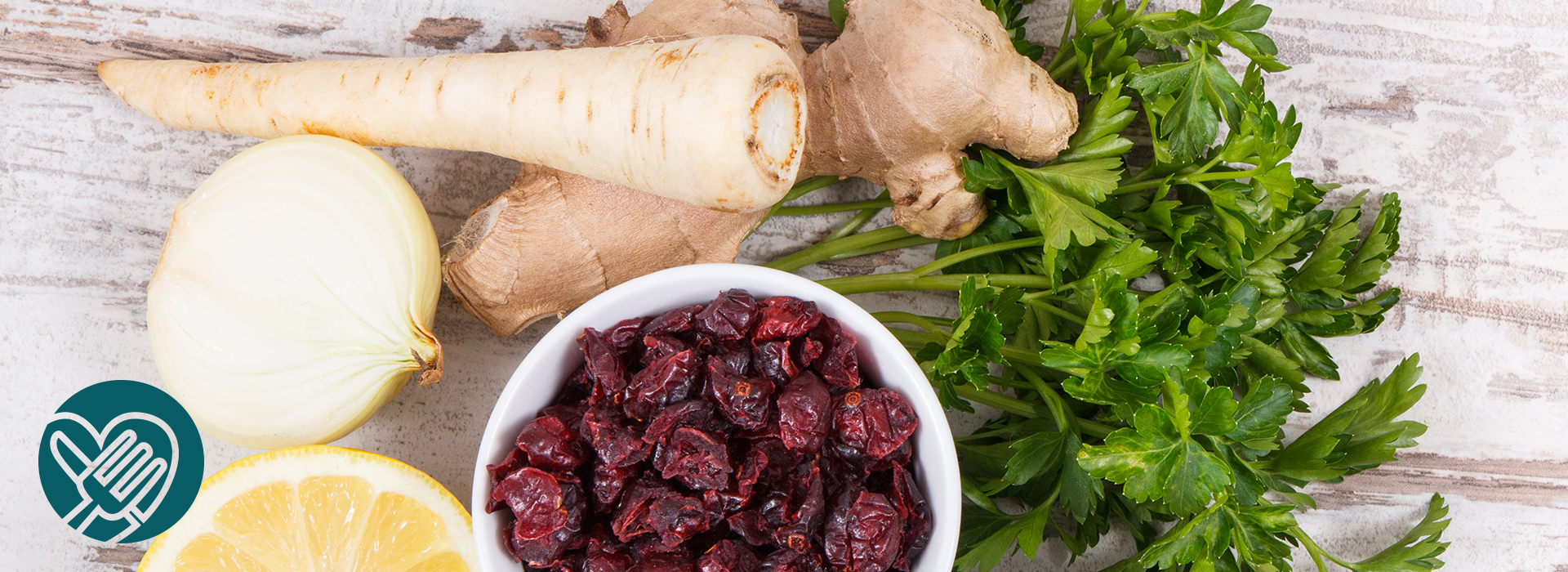
- Antioxidants: Berries, dark chocolate, and green tea combat oxidative stress, reducing inflammation linked to chronic diseases.
Sample Daily Meal Plan:
- Breakfast: Greek yogurt with oats, chia seeds, and blueberries (rich in calcium, fibre, and antioxidants).
- Lunch: Quinoa salad with chickpeas, spinach, avocado, and olive oil (packed with iron, healthy fats, and B vitamins).
- Snack: Apple slices with almond butter (fibre + protein for sustained energy).
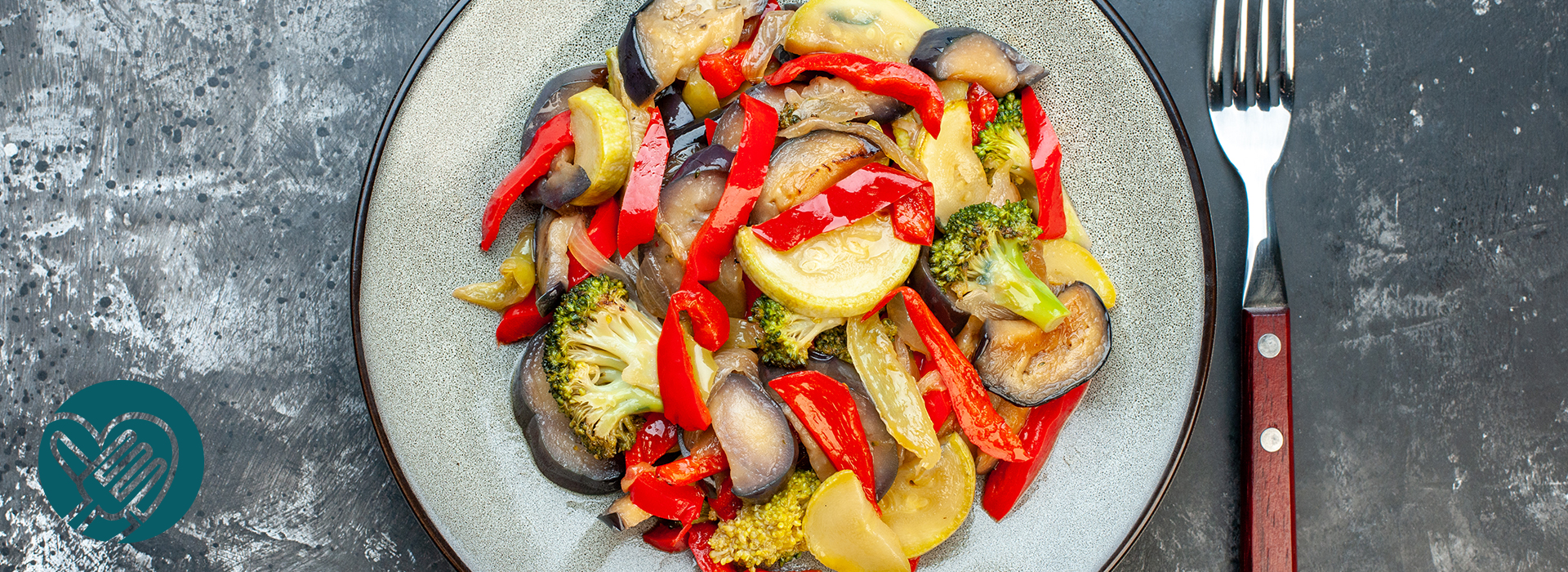
- Dinner: Grilled salmon, roasted sweet potatoes, and broccoli (omega-3s for brain health, vitamin C for immunity).
Nutrition for Active Lifestyles: Fuelling Performance and Recovery
Physical activity increases the demand for energy, muscle repair, and hydration.
Key Strategies:
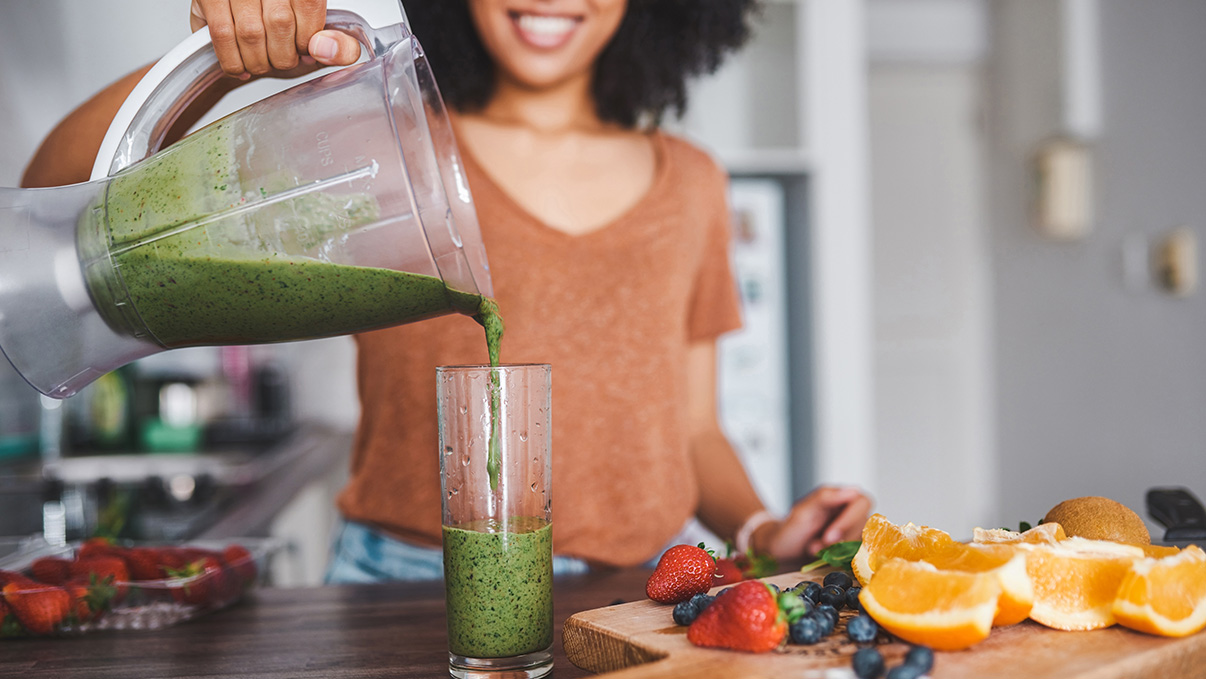
- Protein Power: Active women need 1.2–1.6g/kg of protein daily. Post-workout, pair whey or plant protein with carbs (e.g., smoothie with banana) to enhance muscle synthesis.
- Complex Carbohydrates: Sustain energy with whole grains, sweet potatoes, and fruits. Endurance athletes may need 8–10g/kg of carbs on training days.
- Hydration + Electrolytes: Dehydration impairs performance. Drink 35ml/kg of water daily, adding electrolytes (coconut water, sodium-rich snacks) during intense sessions.
- Iron and B12: Active women are prone to deficiencies. Include lean meats or fortified cereals to prevent anaemia-related fatigue.
Pre-/Post-Workout Snacks:
- Pre: Oatmeal with almonds and berries.
- Post: Chocolate milk (3:1 carb-to-protein ratio) or a turkey wrap with veggies.
Aging Well: Nutrition for Longevity and Vitality
After 50, hormonal shifts and metabolic changes require targeted nutrition to preserve bone density, muscle mass, and cognitive health.
Priority Nutrients:
- Calcium + Vitamin D: Postmenopausal women need 1,200mg of calcium and 800–1,000IU of vitamin D daily to prevent osteoporosis. Sources: dairy, fortified plant milk, and fatty fish.
- Omega-3s: DHA in salmon and walnuts supports brain health, reducing dementia risk by 26%.
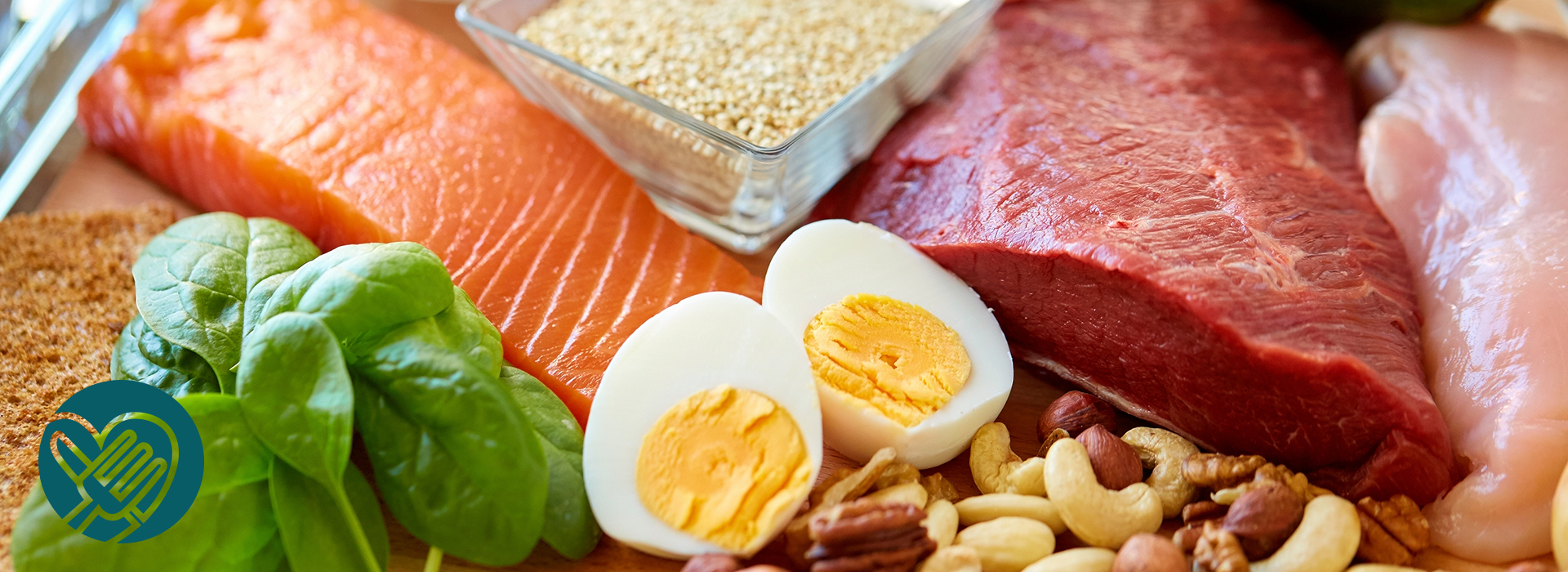
- Protein: Combat sarcopenia (muscle loss) with 25–30g per meal. Opt for eggs, tofu, or lentils.
- Phyto-oestrogen: Soy products and flaxseeds may ease menopausal symptoms like hot flashes.
Aging-Focused Meal Tips:
- Breakfast: Smoothie with spinach, flaxseed, and protein powder.
- Lunch: Lentil soup with kale and turmeric (anti-inflammatory).
- Dinner: Baked cod with quinoa and steamed broccoli.
Lifestyle Integration: Practical Tips Across Ages
- Meal Prep: Batch-cook grains and proteins to avoid processed snacks.
- Mindful Eating: Chew slowly to improve digestion and satisfaction.
- Supplement Wisely: Consider vitamin D (if sun-deprived), B12 (for over 50s), and magnesium (for sleep) after consulting a healthcare provider.
- Stay Hydrated: Infuse water with citrus or mint to meet fluid goals.
Conclusion
From adolescence to post-menopause, nutrition is a dynamic tool for women to thrive. By prioritising iron-rich foods for energy, omega-3s for brain health, and calcium for bones, women can navigate daily demands, fuel active pursuits, and age with resilience. Small, consistent changes – like swapping refined carbs for whole grains or adding a daily probiotic – compound into lifelong vitality. Remember: nourishment isn’t just about eating well today; it’s an investment in a stronger, healthier tomorrow.